
1:1
Timeline imageThe recommended 1200 by 1200 workhorse. It fills the post column width without asking for extra vertical space, which is why it is the default for a product ad on X.
Every asset is generated from your own product page and composed for the ratio the timeline actually renders, so a square post and a 16:9 placement are designed separately instead of cropped from one file.
Every asset is generated at the ratio the placement renders, so a square timeline image and a landscape one are composed for their own frame instead of being cropped from one master file.
The recommended 1200 by 1200 workhorse. It fills the post column width without asking for extra vertical space, which is why it is the default for a product ad on X.

Recommended at 1920 by 1080. Built for a scene rather than an object: it uses the full column width but gives up height, so the headline carries more of the click.

The wide card ratio at 2064 by 1080, for placements that lean on the link and the headline rather than on the image alone.
Each asset below started as a product photo and a URL, composed for a square timeline slot or a landscape placement with no manual rebuild between them.

Neon Cyberpunk Sneaker Drop
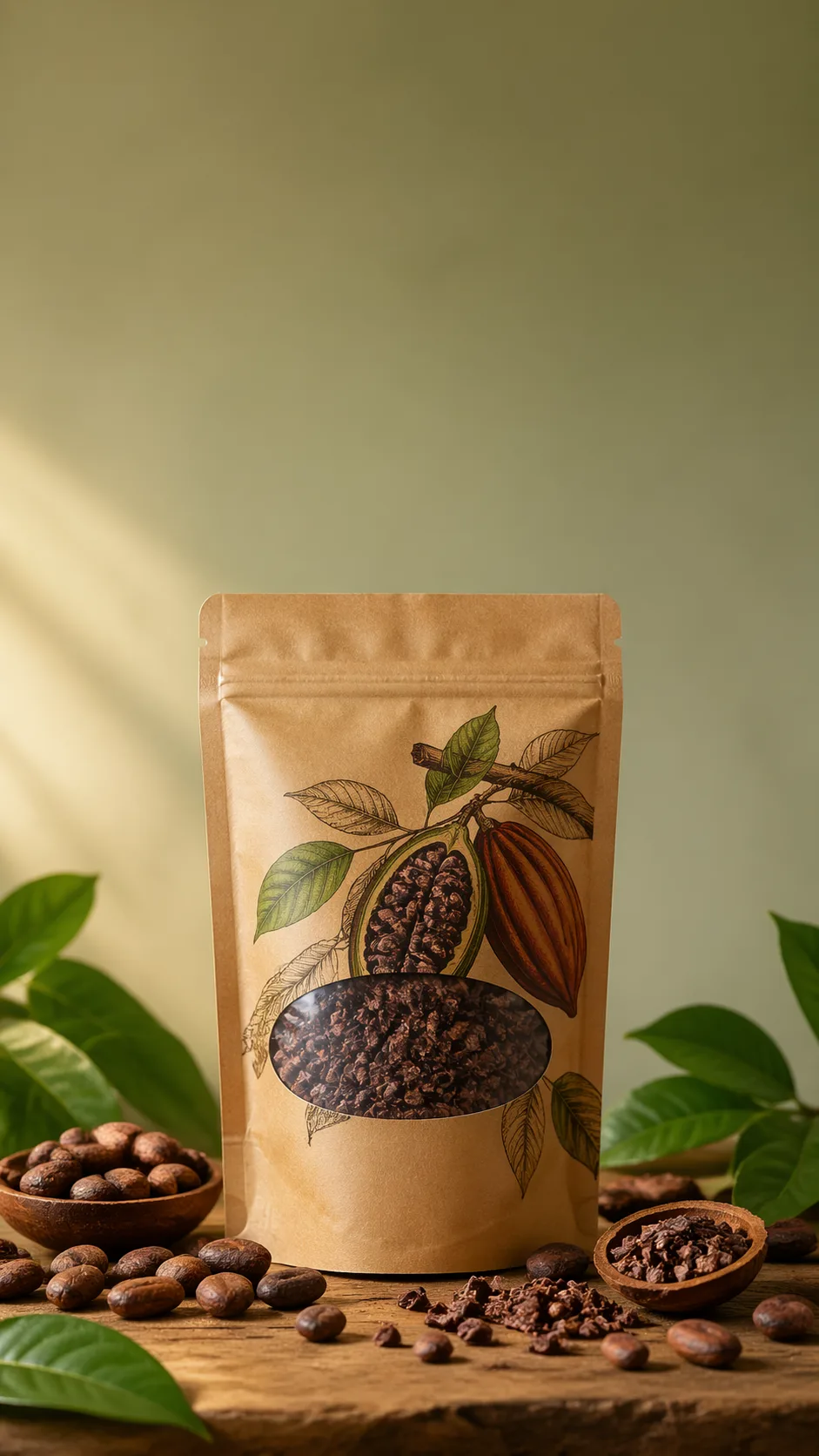
Organic Skincare Product Feature
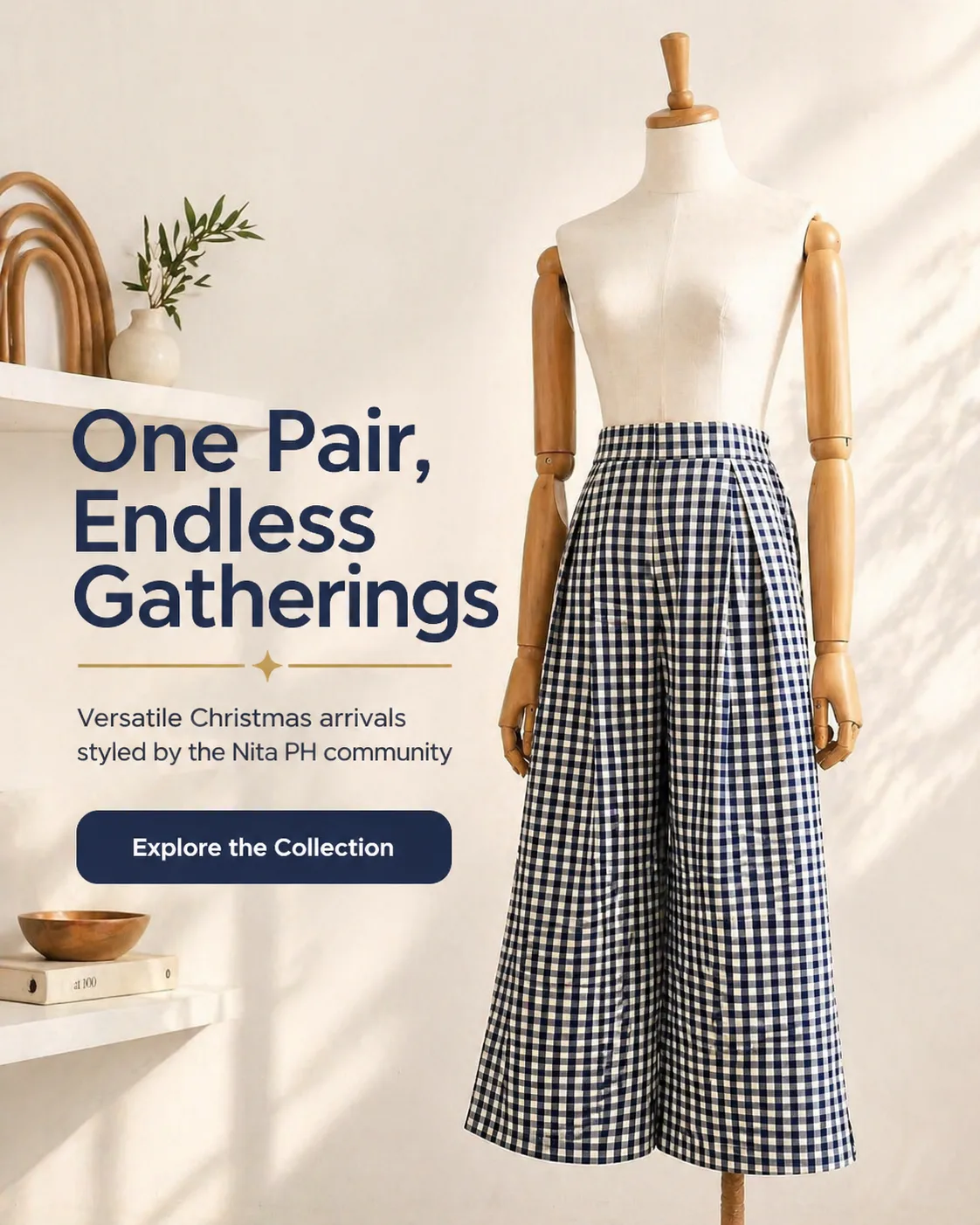
Sustainable Activewear Series
Minimalist Gold Jewelry
Neon Cyberpunk Sneaker Drop
Organic Skincare Product Feature
Sustainable Activewear Series
Minimalist Gold Jewelry
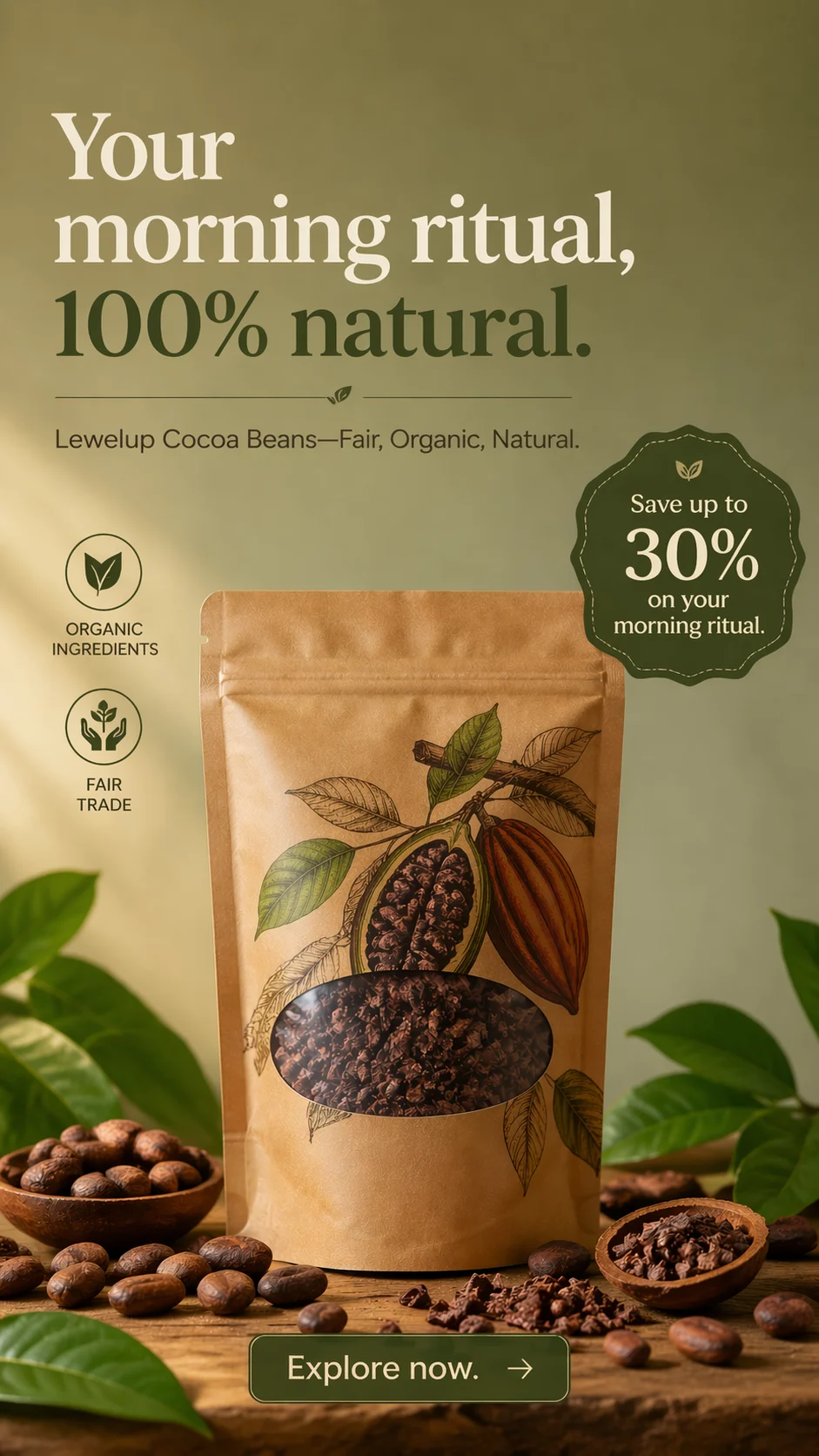
Luxury Watch Editorial
Artisanal Coffee Subscription

Organic Pet Wellness Treats
Portable Adventure Gear
Luxury Watch Editorial
Artisanal Coffee Subscription
Organic Pet Wellness Treats
Portable Adventure Gear
The four things that decide whether a generated creative survives a live timeline placement.
X is a text platform that happens to sell with images. A promoted post lands in a single-column timeline, between someone's opinion about a football match and a photograph of a cat, carrying a small label and roughly the same width as everything around it. Nobody arrived looking for advertising. That is the whole design problem: the creative has to earn a stop in a column built for reading, and then survive being rendered small. Adssmith is the X ads creator built for that constraint rather than against it: paste a product URL and it composes X-ready images at the ratios the timeline actually renders, without redrawing the product. The engine underneath is an AI ad creative generator, not a design canvas.
X's published creative specifications recommend 1200 by 1200 pixels for a 1:1 image ad, and that number is not arbitrary. The timeline gives every post the same column width, so a square fills the available width without asking for extra vertical space. A reader scrolling a column of text grants a tall image less patience than a wide one, and the square is the ratio that shows the product at the largest size while costing the least scroll.
That makes 1:1 the workhorse rather than the compromise. If only one asset is going to be produced for a product, it should be the square, and it should be composed as a square: subject centred, one readable line, edges that hold up when the image is the size of a thumbnail.
Landscape is the second important ratio on X, recommended at 1920 by 1080 pixels for 16:9 video and used widely for image placements that carry a link. It suits a scene rather than an object: a product in its setting, a before-and-after across the frame, a lifestyle moment that needs the full width to make sense. What it gives up is height in the column, so the headline and the card below the image have to carry more of the click.
The practical rule is that 1:1 and 16:9 are two different compositions, not one file in two frames. A wide scene cropped into a square loses its edges and usually its point; a square product shot stretched into 16:9 leaves dead space on both sides. Composing each one from the same product and brand rules is what keeps them looking like siblings.
A promoted post is a post. It occupies one slot in the column, sits between organic posts, and is marked as promoted by a label rather than by a different layout. Two consequences follow for the creative.
First, the image is bounded by the post width and the render is small. Detail that reads on a design canvas disappears at timeline scale, which is why one strong subject beats four small ones, and why type baked into the image has to be large enough to stay legible after the render shrinks it.
Second, the copy around the image is constrained more than most advertisers expect. X's specs cap the media headline at 70 characters, render roughly two lines of that headline on the card, and warn that the exact truncation depends on the device and app settings. A headline written to fill three lines is a headline whose ending is decided by a stranger's phone. Portrait media is treated even more bluntly: in feed placements, media taller than it is wide is cropped to 1:1, which is the clearest argument for producing the square deliberately instead of discovering the crop after launch.
Alongside the two workhorses, X supports 1.91:1 for link-style images and 9:16 for vertical media, and has added expanded ratios including 4:5 at 1440 by 1800 pixels and 2:3 at 1080 by 1620 pixels. The list grows; the composition logic does not. Every ratio is a frame with its own safe reading area, and an asset designed for one frame is only ever an approximation in another.
Paste a product page. Adssmith reads the imagery, the selling points and the price framing the way a customer would, then extracts the brand layer, palette, typography and layout rhythm, and holds it as a hard constraint on generation instead of leaving it to a prompt.
Generation runs image-to-image against your own photography, so the product is relit and recomposed rather than redrawn. Your pixels anchor geometry: the label stays legible, the silhouette stays correct, the material does not drift into something adjacent. Each ratio is then composed for its own frame, which is why the square and the landscape asset are siblings rather than the same file twice.
Because the real constraint on a small account is production time rather than ideas, Adssmith returns sets instead of a single hero asset: several angles per product, all inside the same brand rules, so different creative ideas can be put in front of an audience instead of being argued about internally.
First, does the product match the photograph exactly? If the lettering on the label changed, the asset will generate returns rather than sales.
Second, does the image read at timeline scale? Shrink it to the width of a phone column and look again. If the product is no longer identifiable, the composition is too busy.
Third, does the headline survive 70 characters? Write it to fit the limit rather than to be trimmed by it, and keep the essential noun near the front.
Fourth, does the set look like one brand? A timeline rewards recognition, and one off-brand asset makes the neighbouring ones look accidental.
Adssmith is deliberately narrow: product in, on-brand X creatives out. It is not a scheduling tool, not an analytics suite, and not a general design canvas. Keep your design tool for the one-off hero asset and your scheduler for publishing, and use this for the production volume that neither of them makes cheap.
If you do not sell physical products, the same pipeline runs from your brand information and uploaded materials, so service businesses are not locked out of the workflow.
Start with one product you know well. Generate a square set and a 16:9 set separately, then check two things: whether the product survived unchanged, and whether the landscape composition is doing something the square is not. If both hold, the limiting factor becomes deciding which angles to test, which is a better problem than rebuilding layouts for every ratio the platform adds next. The static ad generator page covers the still-image side of the same workflow, and the ad creative examples gallery covers the compositions worth testing.
The things advertisers ask before a generated asset goes into a live promoted post.
Paste a product URL and see whether the brand comes through before you spend anything.