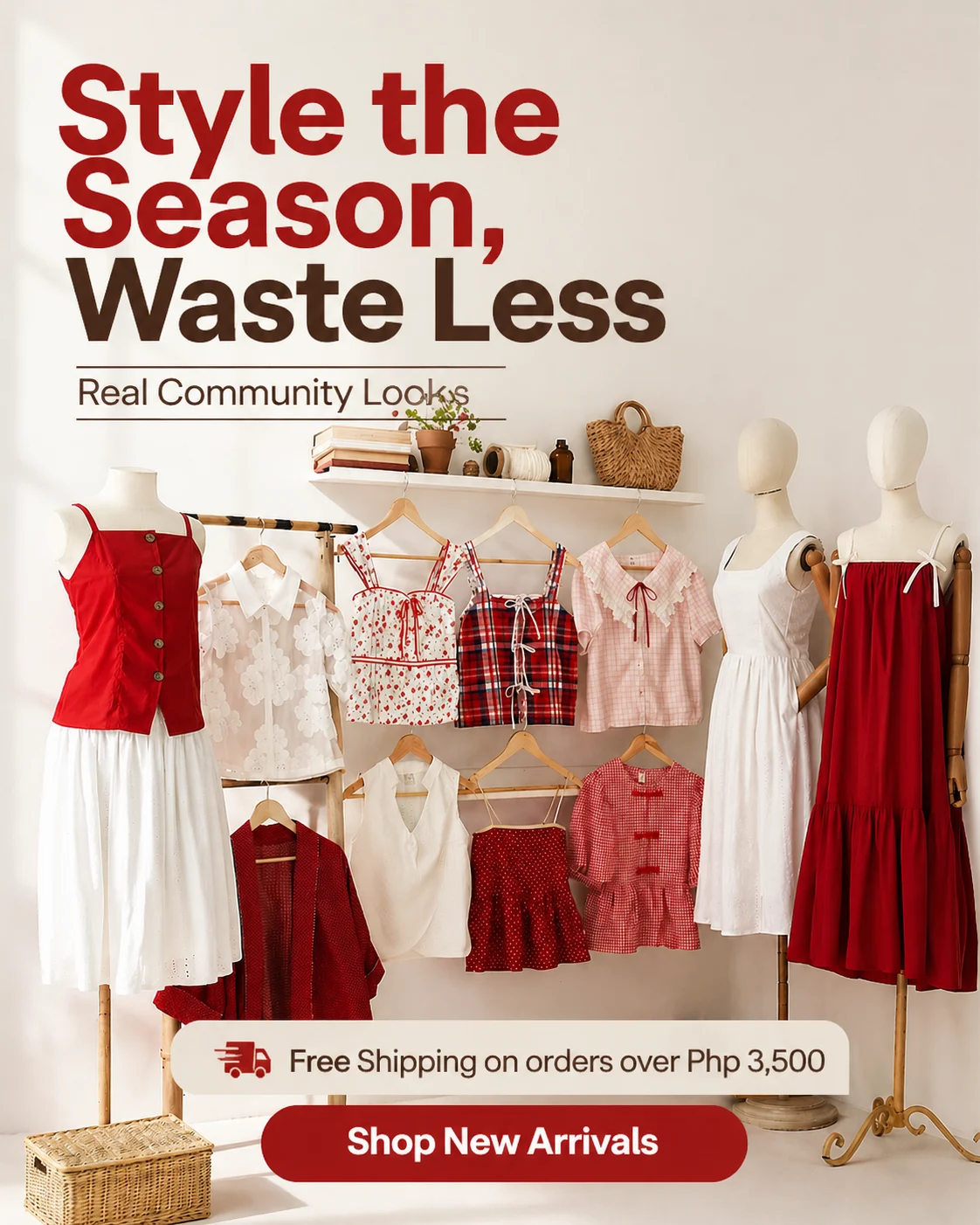
4:5
FeedThe tallest ratio the feed renders fully, which is why it earns the most vertical space in a scroll.
Every asset generated from your own product page, held inside your brand rules. Built for advertisers who need volume without watching the product change shape.
Each asset is generated at the ratio the placement expects, so a feed creative and a story creative are composed for their surface, not cropped into it.
The tallest ratio the feed renders fully, which is why it earns the most vertical space in a scroll.

Full-screen vertical. Needs a composition that reads in under a second and survives UI overlays.

The dependable workhorse for multi-image units and catalogue placements.

Landscape format for units where the headline and description carry the click.
Every asset below started as a product photo and a URL. No retouching pass, no manual rebuild between formats.
Neon Cyberpunk Sneaker Drop
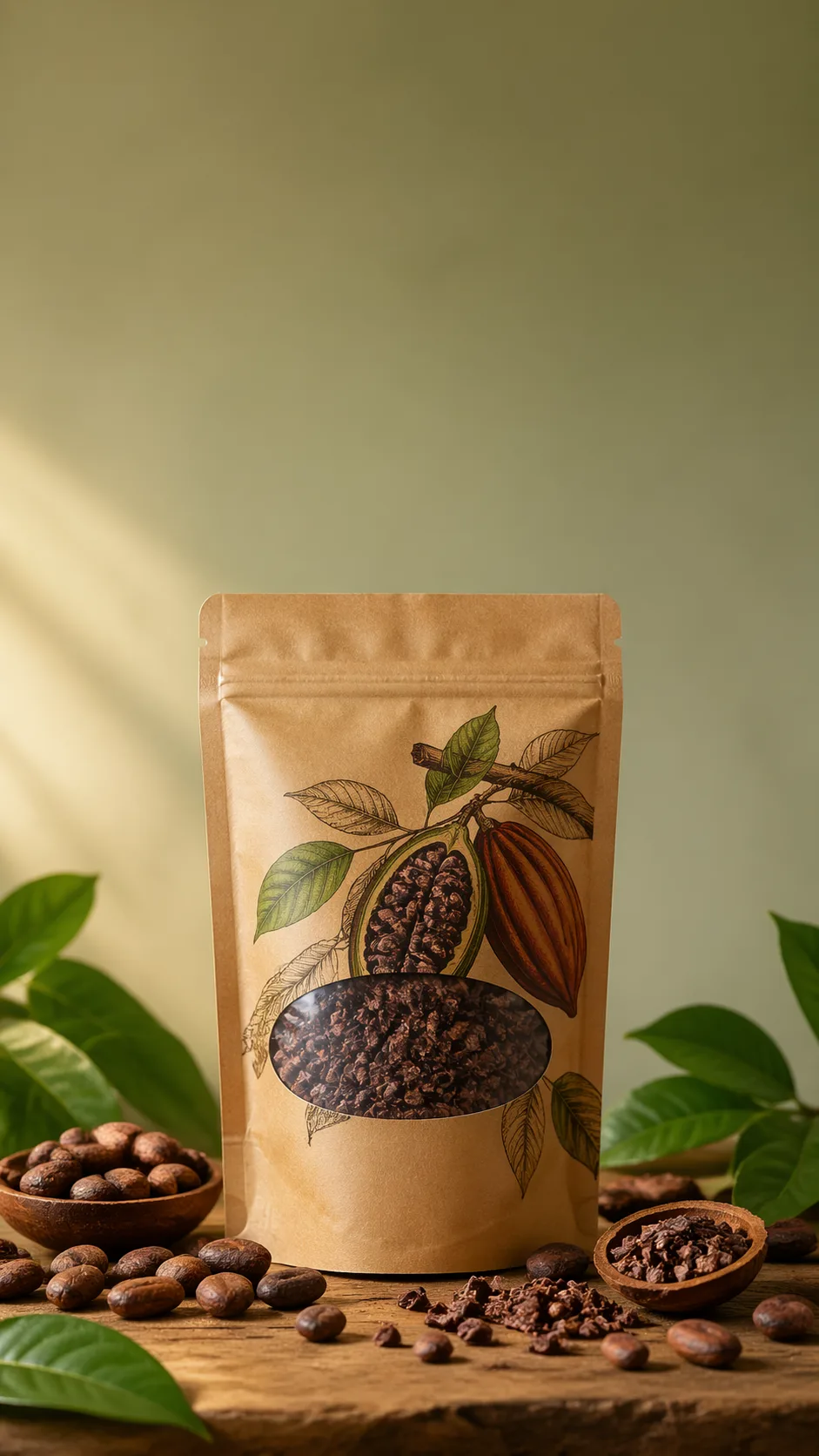
Organic Skincare Product Feature
Sustainable Activewear Series
Minimalist Gold Jewelry
Neon Cyberpunk Sneaker Drop
Organic Skincare Product Feature
Sustainable Activewear Series
Minimalist Gold Jewelry
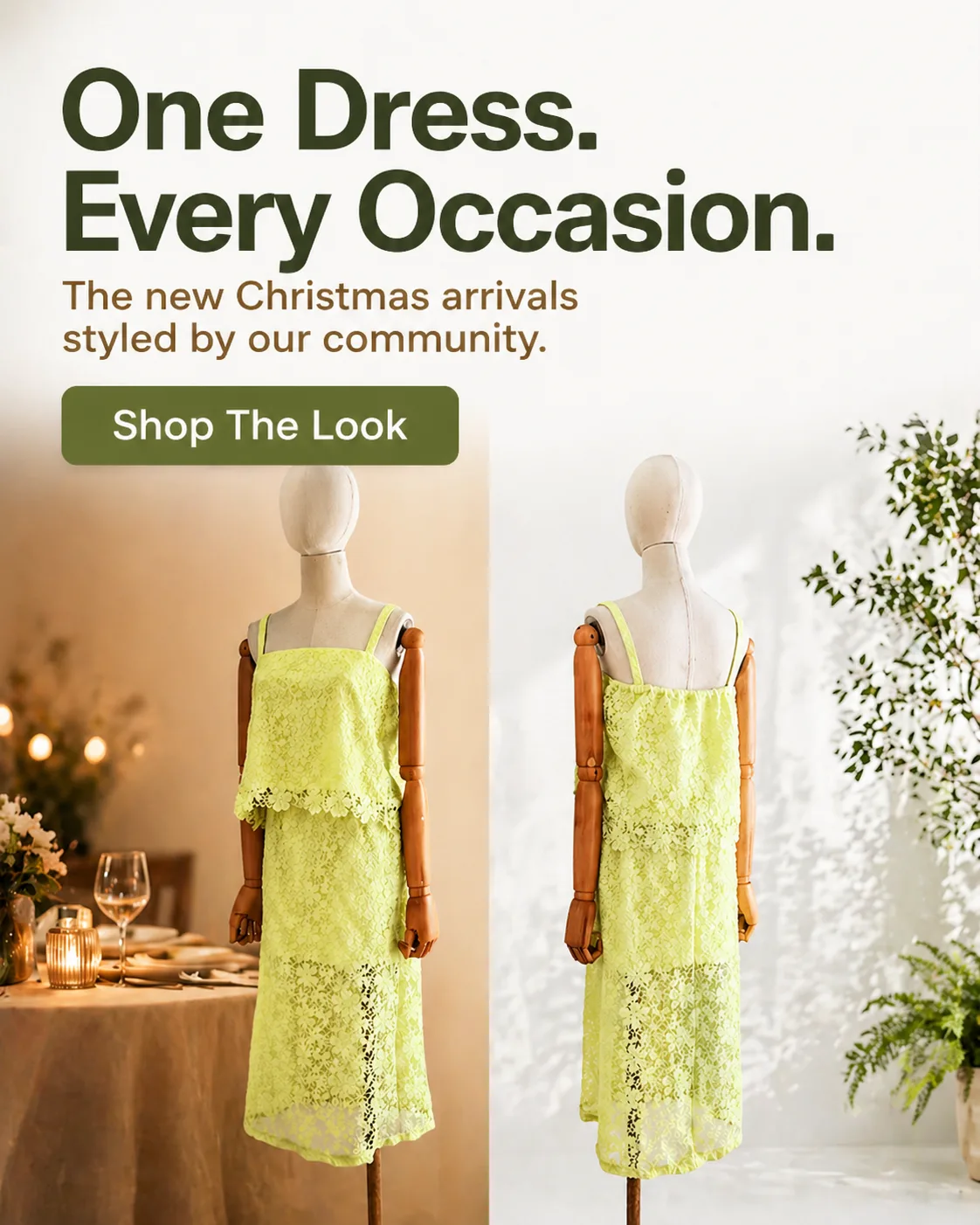
Artisanal Coffee Subscription

Organic Pet Wellness Treats

Portable Adventure Gear
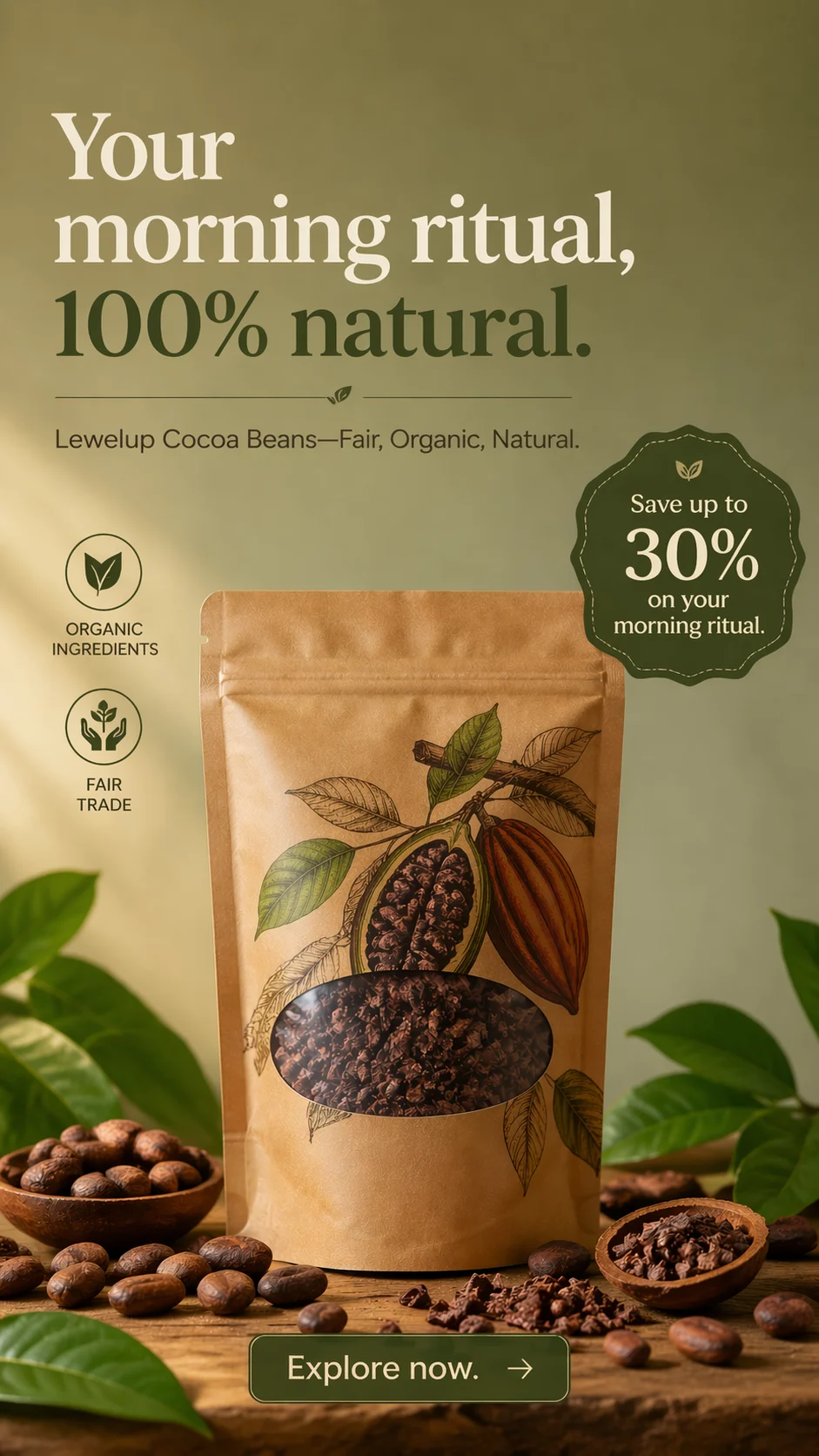
Luxury Watch Editorial
Artisanal Coffee Subscription
Organic Pet Wellness Treats
Portable Adventure Gear
Luxury Watch Editorial
The four things that decide whether a generated ad is usable in a live account.
You already know what makes a Facebook ad work: a clear promise, a product that looks worth clicking, and a reason to believe it is real. The hard part has never been the strategy. It is producing enough on-brand variations to find the one that lands. Adssmith is an AI ad creative generator built for exactly that bottleneck: it reads your product page, extracts your brand DNA, and produces Meta-ready static creatives without stretching, recoloring, or reinventing your product.
Generative image models are trained to produce a plausible picture, not an accurate one. Ask one for a photo of your candle in a sunlit kitchen and it will happily redraw the label with invented lettering, change the jar proportions, and drift your brand color two shades toward whatever the model finds prettier. The image looks fine in isolation. Put it next to your product page and it is obviously wrong.
For a brand running its own store, that failure is expensive in a specific way: the ad promises a product the customer will not receive. Clicks arrive, returns climb, and the account starts collecting a reputation for mismatch.
Three constraints separate a usable tool from a demo.
First, the product must survive generation. Your bottle, your label, your stitching, your hardware. If the tool cannot hold geometry, every asset needs manual repair, and manual repair is the exact cost you were trying to remove.
Second, the brand must survive generation. Typeface, palette, spacing, the visual register your customers already recognize from your site. An ad that reads as off-brand teaches people to ignore you.
Third, the output has to be shaped for the placement. A 4:5 feed image and a 9:16 story are different compositions, not the same picture in two frames.
Paste a product page URL. Adssmith reads the page the way a customer would: product imagery, the selling points in the copy, the price framing, the audience the page is written for. From that same page it extracts the brand layer, the palette and type and layout rhythm, and turns it into hard guardrails for generation.
Generation is image-to-image against your own photography rather than text-to-image from scratch. That is the whole reason the product does not deform. Your original pixels anchor the geometry, and the model is constrained to relight, recompose, and place the product into a new environment instead of inventing it.
Then it multiplies. Instead of one finished asset you get a set of angles and variants you can actually test: different hooks, different framings, different benefit emphasis, all inside the same brand rules.
Meta is not one surface. A creative that wins in the feed is not the creative that wins in Stories, and the difference is composition, not cropping. Adssmith generates each asset at the ratio the placement expects, so you are not rebuilding a layout every time you add a placement.
For brands without a product page, the same pipeline runs from your brand information and uploaded materials, so service businesses are not locked out of the workflow.
Most accounts do not lose because the creative is bad. They lose because there are only three of them. Testing needs enough distinct angles to find the one that resonates, and the ceiling on testing is almost always production time. When one asset takes an afternoon, you test three ideas a month. When a set of variants takes minutes, you test the ideas you would otherwise have argued about in a meeting.
The point is not to replace your judgment. It is to make your judgment cheap enough to apply more often. The ad creative examples gallery breaks the common structures down one by one, and the Instagram ad creator page covers the same workflow for vertical placements.
If you already use a general design tool, keep it for the work it is good at. Adssmith is narrower on purpose: product in, on-brand Meta creatives out, with the product unchanged. It is not a canvas you design on, and it does not pretend to be an all-purpose editor.
If you already use a prompt-based image model, the difference you will notice first is consistency. The same product, the same palette, the same typographic voice across every asset in the set, without re-prompting your way back to the look you had yesterday.
Start with one product page you know well, because you will immediately see whether the brand extraction is honest. Generate a first set, then look at two things: did the product stay exactly as photographed, and does the set look like it came from one brand. If both hold, the bottleneck you actually have is deciding which angles to test, which is a much better problem to have.
The things advertisers ask before they put a generated asset into a live campaign.
Paste a product URL and see whether the brand comes through before you spend anything.